More than a rash Analysis of Texas measles outbreak shows just how dangerous virus is About 1 in 5 cases were hospitalized and most of those developed complications. Beth Mole – May 29, 2026 2:35 pm | 64 Measles rash on the body of a child. Credit: Getty | Povorozniuk Liudmyla Measles rash on the body of a child. Credit: Getty | Povorozniuk Liudmyla Text settings Story text Size Small Standard Large Width * Standard Wide Links Standard Orange * Subscribers only Learn more Minimize to nav For years, anti-vaccine Health Secretary Robert F. Kennedy Jr. and his zealous followers have downplayed measles as “ just a rash ” and falsely claimed that “Measles outbreaks have been fabricated to create fear.” In 2021, when Kennedy wrote those words, the US recorded just 49 measles cases. Yearly case counts have generally been low since 2000 , when the US declared measles eliminated thanks to a decades-long vaccination campaign. But with the rise of Kennedy and his ilk in the past few decades, that public health triumph is being undone. Vaccination rates have slipped, and large, multistate outbreaks of vaccine-preventable diseases have inevitably come roaring back. Now it’s becoming painfully clear once again how wrong Kennedy and his cohorts are about infectious diseases and vaccines. In a study published yesterday in the Morbidity and Mortality Weekly Report , state and federal researchers provided a detailed postmortem of last year’s massive multi-state measles outbreak that mushroomed out of West Texas. The data reveals a disease that’s far from just a rash, with about 20 percent of people—mostly younger children—being hospitalized. “The outcomes experienced by patients hospitalized during this outbreak underscore the seriousness of measles infection and highlight that measles can cause life-threatening complications affecting multiple organ systems and place significant stress on patients and health care systems,” the authors conclude. By the end of the outbrea
Back to Home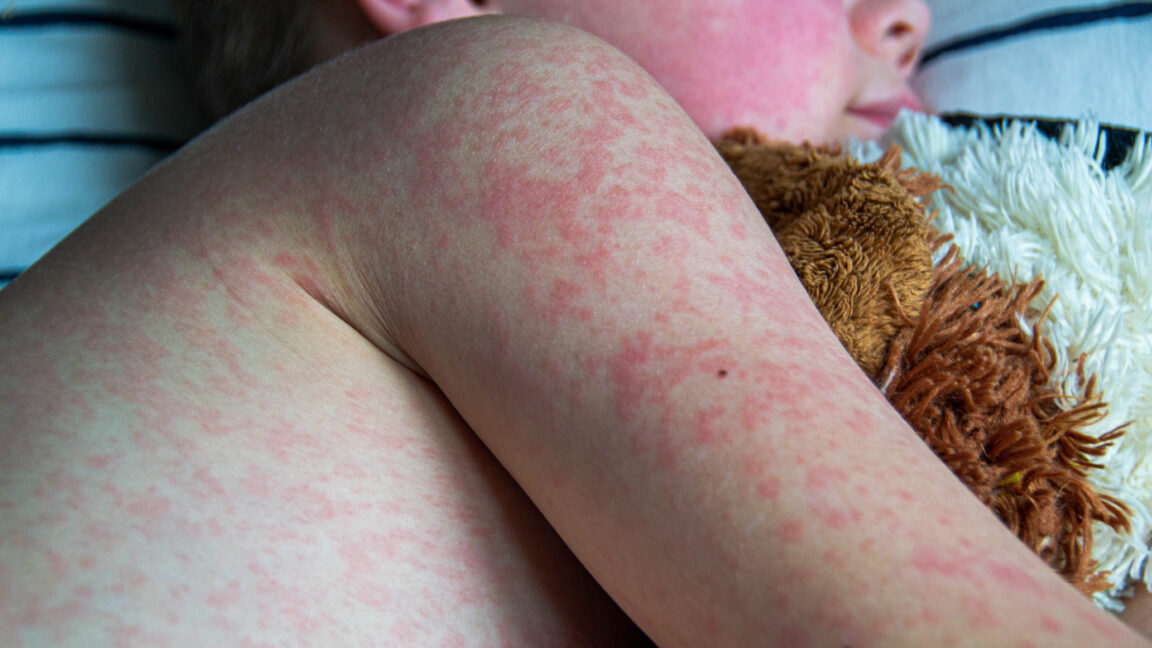
Analysis of Texas measles outbreak shows just how dangerous virus is
B
Blizine Admin
·2 min read·0 views
📰Ars Technica — arstechnica.com
B
Blizine Admin
View Profile Staff Writer
Related Articles
Founders seize on Indian court ruling to revive criticism of Google’s ad business
May 30, 2026·1 min read
How I get my solar generators storm-ready fast - after years of emergency prep
May 30, 2026·2 min read
I went to the so-called ‘steroid Olympics,’ to understand why Silicon Valley is obsessed with peptides
May 30, 2026·1 min read