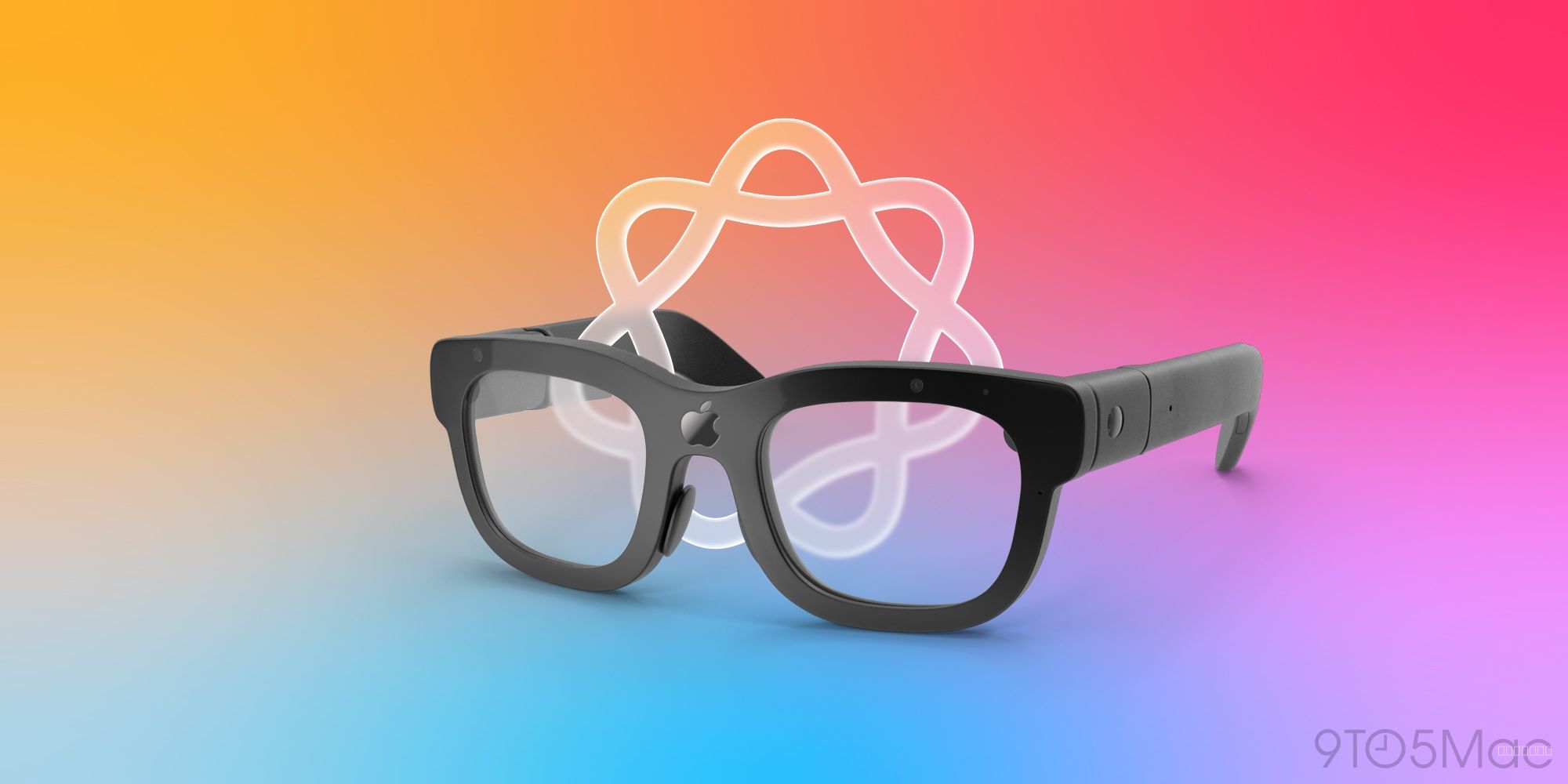
Apple's AI Glasses Face Significant Delay
Apple's highly anticipated AI (Artificial Intelligence) smart glasses will reportedly not launch as soon as initially planned. The company has pushed back the debut of its advanced eyewear to late 2027, a notable shift from earlier expectations. This delay impacts Apple's strategy to provide a new hardware platform for its Siri and Visual Intelligence features.
AI Glasses Timeline Shifts
Apple has been developing AI smart glasses with the goal of competing directly against products like Meta Ray-Bans. These glasses are also intended to serve as a dedicated hardware platform for Apple's Siri and Visual Intelligence capabilities. While an announcement was originally set for the end of this year and a market debut early next year, that timeline has now been delayed.
According to a report from Bloomberg, the launch of these AI smart glasses is now anticipated to take place by the end of 2027. This revised schedule suggests a longer wait for engineers and tech enthusiasts eager to experience Apple's vision for smart eyewear.
Vision Air Offers Closer Horizon
On a more positive note for Apple's hardware roadmap, a more accessible version of the existing Apple Vision Pro headset is reportedly in development. This new device, dubbed Vision Air, is designed to be both cheaper and lighter than its predecessor.
- Vision Air is a reportedly cheaper version of Apple Vision Pro.
- It features a lighter design for enhanced comfort.
- The device may arrive as soon as 2028.
- Its launch is potentially set for 2029.
Key Points
- Apple's AI smart glasses launch is reportedly delayed to late 2027.
- The original plan aimed for an announcement this year and an early next year debut.
- A cheaper, lighter Vision Air headset may arrive by 2028 or 2029.
- The AI glasses aim to compete with Meta Ray-Bans and support Siri.
The Bottom Line
Tech enthusiasts and developers will need to adjust their expectations for Apple's dedicated AI smart glasses, as their launch is now several years away. However, the potential arrival of the more affordable and lighter Vision Air could make Apple's spatial computing technology more accessible sooner. This indicates a strategic balancing act in Apple's future hardware releases.